This class has taught me so much. I learned so much when reading the text and taking notes from the power points in class to really help me in the future. While writing my unit plan I also put what I have learned to use.
The one thing I will definitely remember from this class is that the students need to be taught language arts in the forms of speaking, reading, writing, viewing, listening, and visual representation. The reason that I think I will remember this is because it is important for students to be able to learn information in many different forms. I believe this is also important because if a student is not a visual learner but is not a listening learner then the student will have many forms to learn from out of the lesson and not just one so that they may understand better what is being taught. During my unit I tried to incorporate these things as much as possible. My favorite lesson would be the stations lesson. I used stations to wrap up my making connections unit by having different activities that tie all of the materials together.
As the future goes on, I will use all of the information learned in this class to keep my students learning in a variety of ways, keeping the lessons interactive and keeping the students learning as much information as they can in the most interesting ways possible. This class was great and really taught me a lot. Thank you peers and Dr. Steffes!! Best of luck in the future!
Wednesday, July 20, 2016

Wednesday, July 6, 2016
Top 10 Books Learning About The President
When it comes to learning about people specifically presidents in this case the books that I have come to know that students love to read are the Who was books. These books are nonfiction and tell all about the person the book is about. Below I will list a few of these books as some that students would read to learn about a president or how to become a president.
1.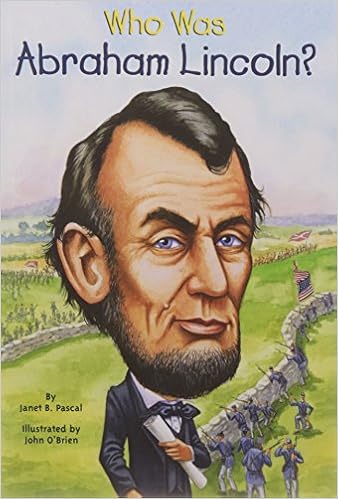
Who was Abraham Lincoln? This is a nonfiction book telling about Lincoln's life from an early age to when he was shot at Ford's Theater. It is a great read to get accurate information on our past president.
2.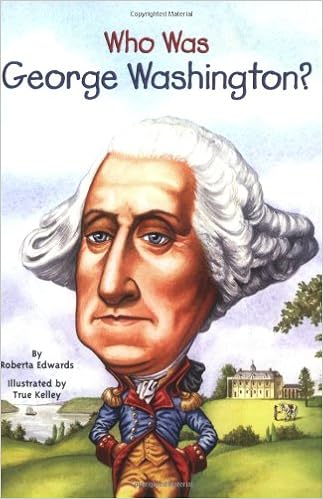
Who Was George Washington? This is a nonfiction book about George Washington and how he was the first president of the United States and what he did during his time of service.
3.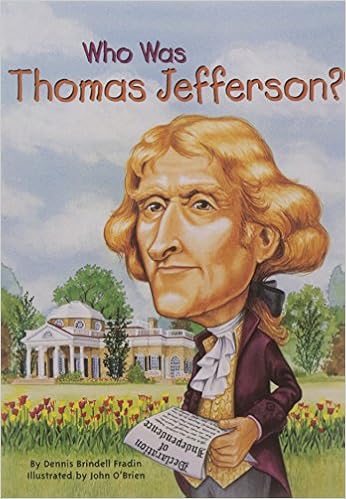
Who Was Thomas Jefferson? This is a nonfiction book describing how Thomas Jefferson came about writing the Declaration of Independence and other important things he did as president of the United States.
4.
Kid Presidents: True Tales of Childhood from America's Presidents is a book about how the past and present presidents were just kids at one point just like our students are. This book will help the students learn important facts but also teacher them to have goals and thrive to be the next president!
5.
Presidents' Day is about how the students put on a play using facts about the presidents lives and the amazing things that have accomplished.
6.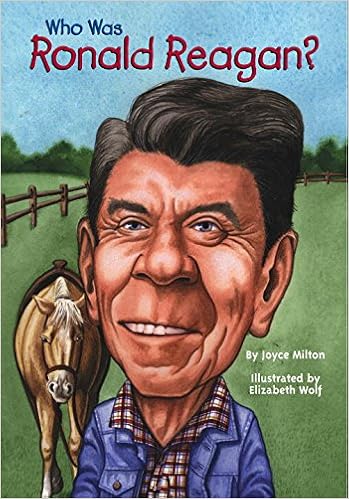
Who Was Ronald Reagan? This is a book all about Reagan's movie making days to his days in office as the oldest president ever.
7.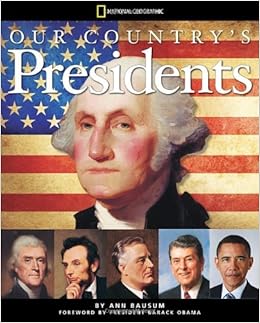
Our Country's Presidents: All You Need to Know About the Presidents, From George Washington to Barak Obama is a book mostly for older students. It seems to be a lot of reading but useful information. It could be used for younger students if the teacher taught a small section of the book at a time to the class or something like that I would think.
8.
Presidential Elections and Other Cool Facts is a book teaching kids about who can run for president, what an electoral college is and a lot of other useful facts about what it takes to be a president. It is important to know about our presidents but also important to know how the process works.
9.
If I Ran For President is a book telling what it would be like to run for president. It talks about how you would have to work hard, study the world's problems, have a running mate, and debate other people running for president!
10.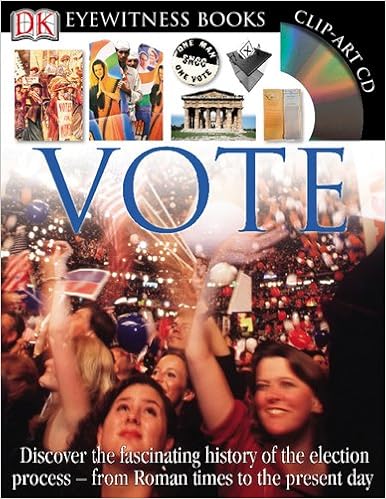
Vote is a book on how voting has changed through out time and how it works. This is for older students as well but it is a very reliable source.
All of these books are a resource for a teacher to use when teaching students reliable facts about a president, how to become a president, how to vote or how any other processes in history helped lead us to they type of systems we have today. Students that are younger truly enjoy the Who was books and find them fun to read. This is surprising due to the fact the books are nonfiction but if we can get the students reading nonfiction books at a young age and enjoying it then I say we can make a difference in their learning!
1.
Who was Abraham Lincoln? This is a nonfiction book telling about Lincoln's life from an early age to when he was shot at Ford's Theater. It is a great read to get accurate information on our past president.
2.
Who Was George Washington? This is a nonfiction book about George Washington and how he was the first president of the United States and what he did during his time of service.
3.
Who Was Thomas Jefferson? This is a nonfiction book describing how Thomas Jefferson came about writing the Declaration of Independence and other important things he did as president of the United States.
4.
Kid Presidents: True Tales of Childhood from America's Presidents is a book about how the past and present presidents were just kids at one point just like our students are. This book will help the students learn important facts but also teacher them to have goals and thrive to be the next president!
5.
Presidents' Day is about how the students put on a play using facts about the presidents lives and the amazing things that have accomplished.
6.
Who Was Ronald Reagan? This is a book all about Reagan's movie making days to his days in office as the oldest president ever.
7.
Our Country's Presidents: All You Need to Know About the Presidents, From George Washington to Barak Obama is a book mostly for older students. It seems to be a lot of reading but useful information. It could be used for younger students if the teacher taught a small section of the book at a time to the class or something like that I would think.
8.
Presidential Elections and Other Cool Facts is a book teaching kids about who can run for president, what an electoral college is and a lot of other useful facts about what it takes to be a president. It is important to know about our presidents but also important to know how the process works.
9.
If I Ran For President is a book telling what it would be like to run for president. It talks about how you would have to work hard, study the world's problems, have a running mate, and debate other people running for president!
10.
Vote is a book on how voting has changed through out time and how it works. This is for older students as well but it is a very reliable source.
All of these books are a resource for a teacher to use when teaching students reliable facts about a president, how to become a president, how to vote or how any other processes in history helped lead us to they type of systems we have today. Students that are younger truly enjoy the Who was books and find them fun to read. This is surprising due to the fact the books are nonfiction but if we can get the students reading nonfiction books at a young age and enjoying it then I say we can make a difference in their learning!
Top 10 Books for Making Connections
1.

Plaidypus Lost is a book used to teach text to self to students. It is about a little girl who loses her plaidypus that her grandmother made for her because she was not responsible. There are so many great ways to connect this story to a student's real life.
2.

Ira Sleeps over is a great book for text to self as well. This book is about Ira being excited to spend the night at a friends house but is worried to go without his teddy bear. The students could definitely relate to being worried or having feelings of doubt on doing something.
3.

Alexander and the Terrible, Horrible, No Good, Very Bad Day is a text to self book as well. This book is about a boy whose day could not get any worse.. or so he thinks. This is a good book for students to relate to because as we all know, bad days do occur!
4.
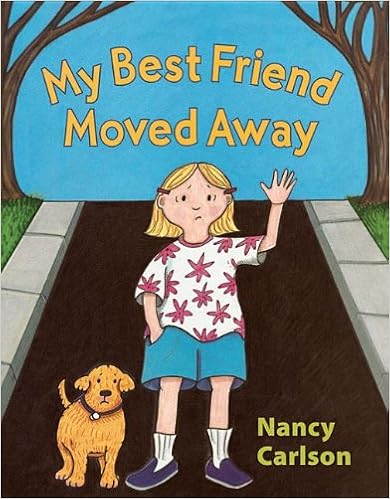
My Best Friend Moved Away is a good book to teach text to text connections too. This book is about best friends doing everything together to having your best friend move away. This teaches students that it is hard to say goodbye but that they can make new friends. Number five on the list is a create book to make a text to text connection with.
5.

Ira Says Goodbye is a text to text book in correlation with book number four. These two books have a lot in common and students should be able to make the connection. Ira and Reggie have to discover what it is like to move away from each other. This is like the above story because it also is having a best friend move away and how hard it can be to handle.
6.

The Lorax is a text to world connection book. The Lorax is about global concerns. This will help students make connections between the text and the environment.
7.

The Lost And Found House is a text to text connection book connection with books four and five, It is also about saying goodbye to things. In this case, the boy must tell his home goodbye and start fresh in a new town.
8.
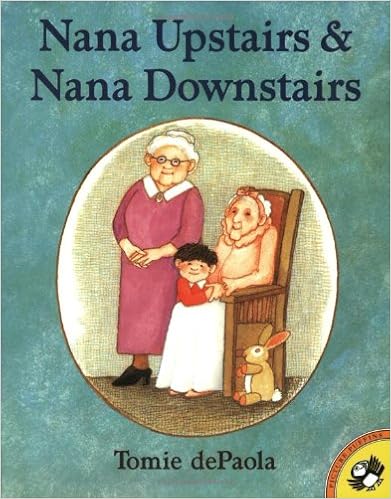
Nana Upstairs and Nana Downstairs is a text to self connection book. This is a book about a boy who must say goodbye to a family member that he loves dearly. This is a good book to connect feelings to for students of all ages!
9.
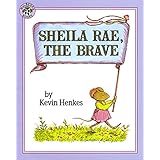
Sheila Rae the Brave is a good text to self book. This book is about a girl who thinks she is not afraid of anything until she tries to walk home alone one day and gets lost. She then finds her self scared.
10.

Oliver Button Is a Sissy is another text to self connection. This is about a boy who gets teased because he likes to do other things rather than play sports. Students could make a few connections to this text.
All of these books are really great books that could be used to do mini lessons, story mapping, or other great strategies that go along with making connection strategies.
Subscribe to:
Comments (Atom)