This class has taught me so much. I learned so much when reading the text and taking notes from the power points in class to really help me in the future. While writing my unit plan I also put what I have learned to use.
The one thing I will definitely remember from this class is that the students need to be taught language arts in the forms of speaking, reading, writing, viewing, listening, and visual representation. The reason that I think I will remember this is because it is important for students to be able to learn information in many different forms. I believe this is also important because if a student is not a visual learner but is not a listening learner then the student will have many forms to learn from out of the lesson and not just one so that they may understand better what is being taught. During my unit I tried to incorporate these things as much as possible. My favorite lesson would be the stations lesson. I used stations to wrap up my making connections unit by having different activities that tie all of the materials together.
As the future goes on, I will use all of the information learned in this class to keep my students learning in a variety of ways, keeping the lessons interactive and keeping the students learning as much information as they can in the most interesting ways possible. This class was great and really taught me a lot. Thank you peers and Dr. Steffes!! Best of luck in the future!
Wednesday, July 20, 2016

Wednesday, July 6, 2016
Top 10 Books Learning About The President
When it comes to learning about people specifically presidents in this case the books that I have come to know that students love to read are the Who was books. These books are nonfiction and tell all about the person the book is about. Below I will list a few of these books as some that students would read to learn about a president or how to become a president.
1.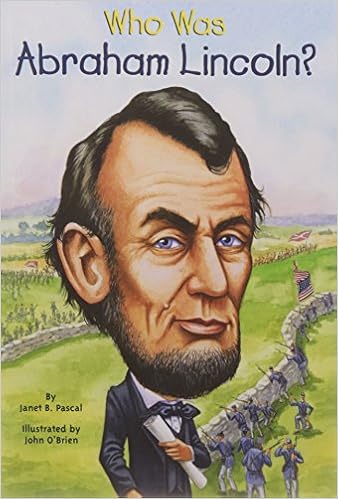
Who was Abraham Lincoln? This is a nonfiction book telling about Lincoln's life from an early age to when he was shot at Ford's Theater. It is a great read to get accurate information on our past president.
2.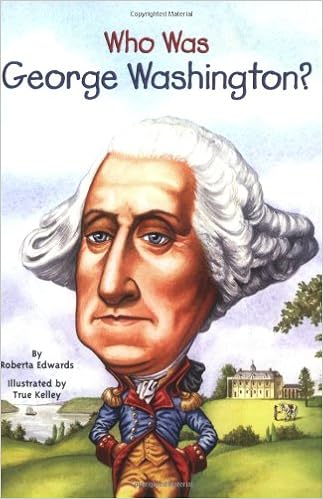
Who Was George Washington? This is a nonfiction book about George Washington and how he was the first president of the United States and what he did during his time of service.
3.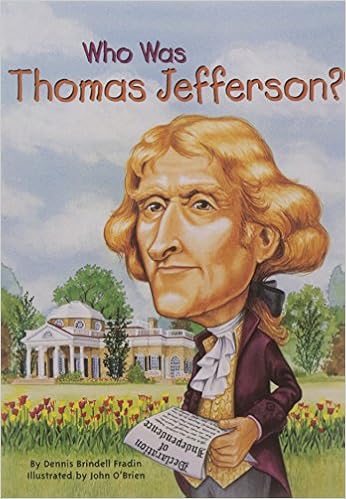
Who Was Thomas Jefferson? This is a nonfiction book describing how Thomas Jefferson came about writing the Declaration of Independence and other important things he did as president of the United States.
4.
Kid Presidents: True Tales of Childhood from America's Presidents is a book about how the past and present presidents were just kids at one point just like our students are. This book will help the students learn important facts but also teacher them to have goals and thrive to be the next president!
5.
Presidents' Day is about how the students put on a play using facts about the presidents lives and the amazing things that have accomplished.
6.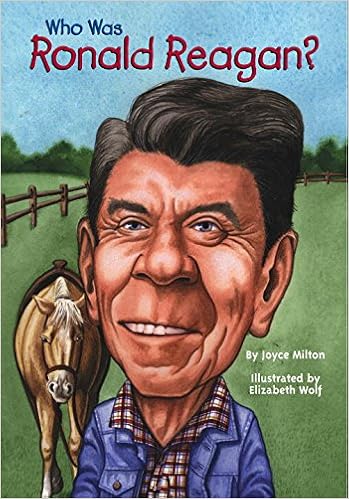
Who Was Ronald Reagan? This is a book all about Reagan's movie making days to his days in office as the oldest president ever.
7.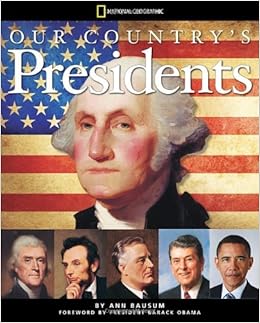
Our Country's Presidents: All You Need to Know About the Presidents, From George Washington to Barak Obama is a book mostly for older students. It seems to be a lot of reading but useful information. It could be used for younger students if the teacher taught a small section of the book at a time to the class or something like that I would think.
8.
Presidential Elections and Other Cool Facts is a book teaching kids about who can run for president, what an electoral college is and a lot of other useful facts about what it takes to be a president. It is important to know about our presidents but also important to know how the process works.
9.
If I Ran For President is a book telling what it would be like to run for president. It talks about how you would have to work hard, study the world's problems, have a running mate, and debate other people running for president!
10.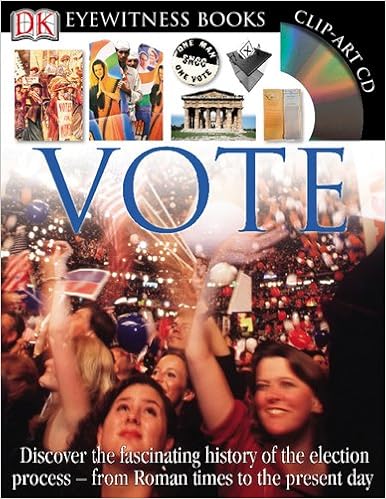
Vote is a book on how voting has changed through out time and how it works. This is for older students as well but it is a very reliable source.
All of these books are a resource for a teacher to use when teaching students reliable facts about a president, how to become a president, how to vote or how any other processes in history helped lead us to they type of systems we have today. Students that are younger truly enjoy the Who was books and find them fun to read. This is surprising due to the fact the books are nonfiction but if we can get the students reading nonfiction books at a young age and enjoying it then I say we can make a difference in their learning!
1.
Who was Abraham Lincoln? This is a nonfiction book telling about Lincoln's life from an early age to when he was shot at Ford's Theater. It is a great read to get accurate information on our past president.
2.
Who Was George Washington? This is a nonfiction book about George Washington and how he was the first president of the United States and what he did during his time of service.
3.
Who Was Thomas Jefferson? This is a nonfiction book describing how Thomas Jefferson came about writing the Declaration of Independence and other important things he did as president of the United States.
4.
Kid Presidents: True Tales of Childhood from America's Presidents is a book about how the past and present presidents were just kids at one point just like our students are. This book will help the students learn important facts but also teacher them to have goals and thrive to be the next president!
5.
Presidents' Day is about how the students put on a play using facts about the presidents lives and the amazing things that have accomplished.
6.
Who Was Ronald Reagan? This is a book all about Reagan's movie making days to his days in office as the oldest president ever.
7.
Our Country's Presidents: All You Need to Know About the Presidents, From George Washington to Barak Obama is a book mostly for older students. It seems to be a lot of reading but useful information. It could be used for younger students if the teacher taught a small section of the book at a time to the class or something like that I would think.
8.
Presidential Elections and Other Cool Facts is a book teaching kids about who can run for president, what an electoral college is and a lot of other useful facts about what it takes to be a president. It is important to know about our presidents but also important to know how the process works.
9.
If I Ran For President is a book telling what it would be like to run for president. It talks about how you would have to work hard, study the world's problems, have a running mate, and debate other people running for president!
10.
Vote is a book on how voting has changed through out time and how it works. This is for older students as well but it is a very reliable source.
All of these books are a resource for a teacher to use when teaching students reliable facts about a president, how to become a president, how to vote or how any other processes in history helped lead us to they type of systems we have today. Students that are younger truly enjoy the Who was books and find them fun to read. This is surprising due to the fact the books are nonfiction but if we can get the students reading nonfiction books at a young age and enjoying it then I say we can make a difference in their learning!
Top 10 Books for Making Connections
1.

Plaidypus Lost is a book used to teach text to self to students. It is about a little girl who loses her plaidypus that her grandmother made for her because she was not responsible. There are so many great ways to connect this story to a student's real life.
2.

Ira Sleeps over is a great book for text to self as well. This book is about Ira being excited to spend the night at a friends house but is worried to go without his teddy bear. The students could definitely relate to being worried or having feelings of doubt on doing something.
3.

Alexander and the Terrible, Horrible, No Good, Very Bad Day is a text to self book as well. This book is about a boy whose day could not get any worse.. or so he thinks. This is a good book for students to relate to because as we all know, bad days do occur!
4.
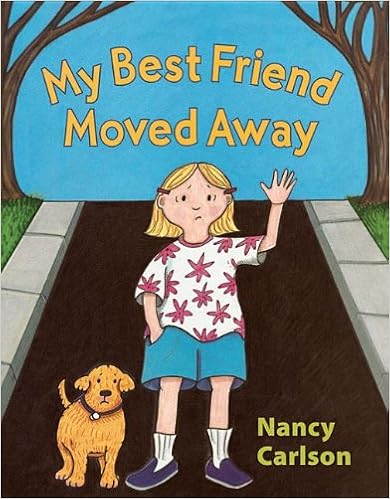
My Best Friend Moved Away is a good book to teach text to text connections too. This book is about best friends doing everything together to having your best friend move away. This teaches students that it is hard to say goodbye but that they can make new friends. Number five on the list is a create book to make a text to text connection with.
5.

Ira Says Goodbye is a text to text book in correlation with book number four. These two books have a lot in common and students should be able to make the connection. Ira and Reggie have to discover what it is like to move away from each other. This is like the above story because it also is having a best friend move away and how hard it can be to handle.
6.

The Lorax is a text to world connection book. The Lorax is about global concerns. This will help students make connections between the text and the environment.
7.

The Lost And Found House is a text to text connection book connection with books four and five, It is also about saying goodbye to things. In this case, the boy must tell his home goodbye and start fresh in a new town.
8.
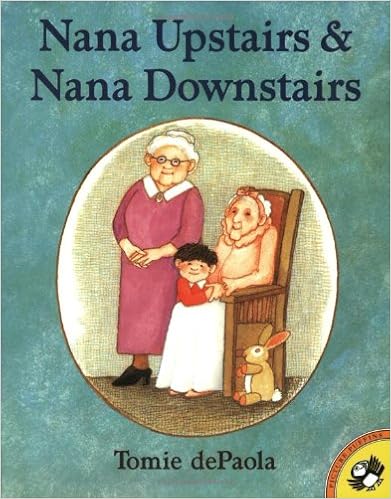
Nana Upstairs and Nana Downstairs is a text to self connection book. This is a book about a boy who must say goodbye to a family member that he loves dearly. This is a good book to connect feelings to for students of all ages!
9.
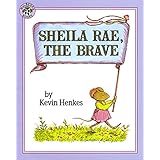
Sheila Rae the Brave is a good text to self book. This book is about a girl who thinks she is not afraid of anything until she tries to walk home alone one day and gets lost. She then finds her self scared.
10.

Oliver Button Is a Sissy is another text to self connection. This is about a boy who gets teased because he likes to do other things rather than play sports. Students could make a few connections to this text.
All of these books are really great books that could be used to do mini lessons, story mapping, or other great strategies that go along with making connection strategies.
Friday, June 24, 2016
Top Ten Books for Kindness
This blog will be about the top ten books that I think best talk about kindness. The books I list will not be for a specific grade level or for a specific group of students. I believe that the next ten books that I introduce you to are the best books that show students how to show kindness to others. Let's start with my number one book choice.
1. Wonder by R.J. Palacio
.
This quote alone should tell you how special the book is. This book is about a boy names Auggie who was born with a facial deformity and is going to be mainstreamed for the first time. He spend his time trying to convince the other students he is just like them. One of the other quotes that touches the heart of kindness from this book is, " When given the choice to be right or be kind. Choice kind." If at all possible, read this book! It is a must read.
2.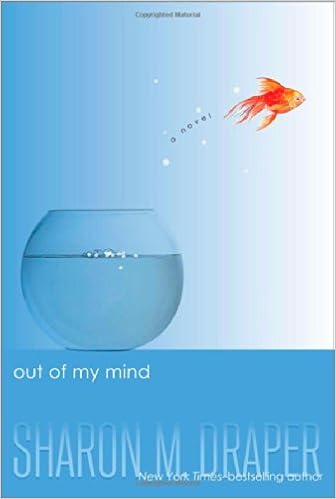
Out of My Mind by Sharon M. Draper
This book is more about compassion but within it there is kindness. This story is about a girl who has Cerebral Palsy and cannot walk or talk. It is about her journey of trying to fit in and being able to talk. It is a real page turning that is for sure and students in third grade or older really connect to it.
3.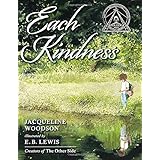
Each Kindness by Jacqueline Woodson. This is a story about a girl who starts at a new school and the girl she meets is not kind to her. After being unkind the girl left the school and the student who was mean felt regret. It is not a happy ending like most books but it teaches kids a critical lesson about how treating others has an impact on all.
4.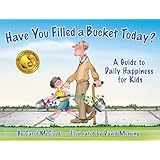
Have you filled a bucket today? By Carol McCloud encourages positive behavior to students as the see how rewarding it can be to show kindness to others.
5.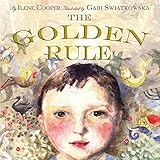
The Golden Rule by IIene Cooper is about the Golden Rule and what it really means and how to follow it.
6.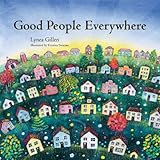
Good people everywhere by Lynea Gillen. This book is about teaching kids how to grow into caring, giving, and grateful people. The illustrations are wonderful and it was the winner of mom's choice award and Teacher's choice.
7.
The Lion and the Mouse by Jerry Pinkney. This story is teaching children that no act of kindness is ever wasted. The lion spares the life of a mouse that he planned to eat and by the end of the story his act of kindness proves to be a good thing.
8.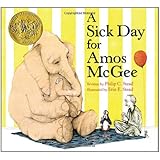
A sick day for Amos McGee by Philip C. Stead and Erin E. Stead. This book is about a zookeeper who got sick and the animals that he takes care come to help him and show him kindness.
9.
Ordinary Mary's Extraordinary Deed by Emily Pearson. This book is about how good deeds can start a chain reaction of good deeds. This is a great book to read to students grade Kindergarten to 2nd grade.
10.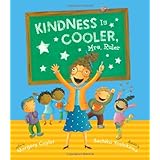
Kindness is cooler, Mrs. Ruler by Margery Cuyler. This one is about a teacher who asked her students to stay in from recess to teach them about kindness. This book proves that kids of all ages can make a difference!
These books all teach kindness to students. Students need to understand what it means to be kind and make connections between text and themselves, others, and the world.
1. Wonder by R.J. Palacio
.
This quote alone should tell you how special the book is. This book is about a boy names Auggie who was born with a facial deformity and is going to be mainstreamed for the first time. He spend his time trying to convince the other students he is just like them. One of the other quotes that touches the heart of kindness from this book is, " When given the choice to be right or be kind. Choice kind." If at all possible, read this book! It is a must read.
2.
Out of My Mind by Sharon M. Draper
This book is more about compassion but within it there is kindness. This story is about a girl who has Cerebral Palsy and cannot walk or talk. It is about her journey of trying to fit in and being able to talk. It is a real page turning that is for sure and students in third grade or older really connect to it.
3.
Each Kindness by Jacqueline Woodson. This is a story about a girl who starts at a new school and the girl she meets is not kind to her. After being unkind the girl left the school and the student who was mean felt regret. It is not a happy ending like most books but it teaches kids a critical lesson about how treating others has an impact on all.
4.
Have you filled a bucket today? By Carol McCloud encourages positive behavior to students as the see how rewarding it can be to show kindness to others.
5.
The Golden Rule by IIene Cooper is about the Golden Rule and what it really means and how to follow it.
6.
Good people everywhere by Lynea Gillen. This book is about teaching kids how to grow into caring, giving, and grateful people. The illustrations are wonderful and it was the winner of mom's choice award and Teacher's choice.
7.
The Lion and the Mouse by Jerry Pinkney. This story is teaching children that no act of kindness is ever wasted. The lion spares the life of a mouse that he planned to eat and by the end of the story his act of kindness proves to be a good thing.
8.
A sick day for Amos McGee by Philip C. Stead and Erin E. Stead. This book is about a zookeeper who got sick and the animals that he takes care come to help him and show him kindness.
9.
Ordinary Mary's Extraordinary Deed by Emily Pearson. This book is about how good deeds can start a chain reaction of good deeds. This is a great book to read to students grade Kindergarten to 2nd grade.
10.
Kindness is cooler, Mrs. Ruler by Margery Cuyler. This one is about a teacher who asked her students to stay in from recess to teach them about kindness. This book proves that kids of all ages can make a difference!
These books all teach kindness to students. Students need to understand what it means to be kind and make connections between text and themselves, others, and the world.
Wednesday, June 8, 2016
Word Wall
how word walls will be used in my classroom and writing impact what I want to do as a teacher.
As a teacher I will use a word wall for students names, new vocabulary words, no excuse words, and even use it to incorporate words that go with our lessons. I will use it each week and I will not move it. I think students learn best to use a resource that is never moved because then it is stuck in their memory and at some point they may be able to visualize it without looking. I think using the strategy "Flashlight Fun" with the students to review words on the word wall would be a great way to keep the students excited and willing to learn.
As a teacher I will use a word wall for students names, new vocabulary words, no excuse words, and even use it to incorporate words that go with our lessons. I will use it each week and I will not move it. I think students learn best to use a resource that is never moved because then it is stuck in their memory and at some point they may be able to visualize it without looking. I think using the strategy "Flashlight Fun" with the students to review words on the word wall would be a great way to keep the students excited and willing to learn.
Wednesday, June 1, 2016
Teaching Language Arts-Strands
It is important for teachers to understand the five different strands of language arts because it is essential for them to comprehend in order to teach it appropriately. One thing that is important for all students is to learn how to read, listen, write, and speak. Once a teacher understands how important it is to get all five strands into a days lesson plan the easier it will be to teach students the correct way to accomplish those task such as writing. Teachers need to know how to read, write and speak correctly so they should understand the full expectation of students needing to know how to do the same. Without all of these components of language arts where would the world be today? We wouldn't have teachers, doctors, or even journalist if people couldn't read, write, listen, or speak publicly.
Wednesday, May 4, 2016
Class Perspective
Before class started I did not realize what type of reading strategies teachers can use to help students learn better. I went to teach a lesson to a second grade class and the strategy of written communication was the one I chose to do and the teacher of the class did not have any idea what it was. That was an eye opener on its own. The reason it was an eye opener was because it made me feel like this class has prepared me for the future classroom setting. It also made me think that I could be a good resource for other teachers who have not learned these types of learning strategies. I really enjoyed this class and it has really taught me a lot.
Wednesday, April 27, 2016
Assessments!
Formative assessment is a quick assessment to see if students understand the information being taught. Summative assessment is a formal assessment such as a test. This varies from a test, presentation like a power point or even just a report. An authentic assessment is a special kind of assessment that involves including real world things. Such as a report on what kind of damage a tornado could do to a home or city.
How to include a formative assessment into a lesson would be to use a written communication strategy. This is a check for understanding method. A summative assessment within a lesson plan would be to have a unit project or test. A way to make all of them authentic would be to make the project or written communication relate to real world things.
An authentic way to relate making change to the real world is giving the students examples of real world situations. During my lesson I needed to come up with a way to explain making change so I used the real world example of the students going to a ball game and wanting a snack. So they went to the concession stand to get a popcorn for $1.00 and a candy bar for $1.00. Then we worked it out. Then I could make the students come up with a different real world example where they would need to make change.
How to include a formative assessment into a lesson would be to use a written communication strategy. This is a check for understanding method. A summative assessment within a lesson plan would be to have a unit project or test. A way to make all of them authentic would be to make the project or written communication relate to real world things.
An authentic way to relate making change to the real world is giving the students examples of real world situations. During my lesson I needed to come up with a way to explain making change so I used the real world example of the students going to a ball game and wanting a snack. So they went to the concession stand to get a popcorn for $1.00 and a candy bar for $1.00. Then we worked it out. Then I could make the students come up with a different real world example where they would need to make change.
TPRC and RAFT
Lessons presented on 4/20/2016 were great! I like how everyone's lesson is a little different than others because that means there is no right or wrong way to do the format.
TPRC- This is a good technique that students can use to predict. They think, predict, read, then connect. They can use this strategy to connect students reading to real world examples.
RAFT- Role of the writer, the audience, the format, and topic. Students would read a form of text and then write about it. This is a great way to see if students are relating to the text.
TPRC- This is a good technique that students can use to predict. They think, predict, read, then connect. They can use this strategy to connect students reading to real world examples.
RAFT- Role of the writer, the audience, the format, and topic. Students would read a form of text and then write about it. This is a great way to see if students are relating to the text.
Wednesday, April 20, 2016
Strategies
My favorite strategy for higher grades is written communication. I think that especially in grades 2 and higher that students love to pass notes and be chatty so this would help give them and educational topic to pass notes about. There is a second grade teacher where I work that had never heard of this strategy and once I told her about she wanted to know more so she could use it within her lessons. I also like this because you could also use other strategies with it.
Wednesday, April 6, 2016
DRTA/GMA
Definitions:
-Group mapping activity is a strategy used to help build comprehension of text by creating images or words that tells us all the parts of the story being read. Example being the plot, characters, and themes.
-Directive reading thinking activity is used to guide students into making predictions, answer questions and be active learners while reading. Begins with the teacher doing the directing of the lesson/ reading, the students then make predictions at stopping points within the story, and then they will stop to think about what they read and see if the prediction was correct. The teacher also uses prompted questions to help the students through the process.
How will I use it in a lesson plan-
-I would use a story map like the one in the video we watched tonight for a GMA use in a lesson. I would do this because I really want to teach kindergarten and so I would do the first time doing it that way and as the students got use to answering the questions and got familiar with the process I would change it into a group activity. I would have them split into groups evenly and write the title and everything. Then have them listen to the story. After the story I would have them go back into their groups and answer the questions such as who are the characters or just replay the story line in any form they wanted. They could draw a time line of pictures with labels, a timeline with words only or pictures only. Either way that they want to accomplish the task as long as they try to get the first, middle, and last concepts.
-I would use DRTA in a math lesson after reading a section in the textbook. I would direct the students first on what was expected then have them write their predictions. After reading a bit I would stop and allow students time to adjust their predicts and ask a few questions. Then I would finish up and ask the students to write about how their predictions turned out and have them answer a few questions about the chapter.
-Group mapping activity is a strategy used to help build comprehension of text by creating images or words that tells us all the parts of the story being read. Example being the plot, characters, and themes.
-Directive reading thinking activity is used to guide students into making predictions, answer questions and be active learners while reading. Begins with the teacher doing the directing of the lesson/ reading, the students then make predictions at stopping points within the story, and then they will stop to think about what they read and see if the prediction was correct. The teacher also uses prompted questions to help the students through the process.
How will I use it in a lesson plan-
-I would use a story map like the one in the video we watched tonight for a GMA use in a lesson. I would do this because I really want to teach kindergarten and so I would do the first time doing it that way and as the students got use to answering the questions and got familiar with the process I would change it into a group activity. I would have them split into groups evenly and write the title and everything. Then have them listen to the story. After the story I would have them go back into their groups and answer the questions such as who are the characters or just replay the story line in any form they wanted. They could draw a time line of pictures with labels, a timeline with words only or pictures only. Either way that they want to accomplish the task as long as they try to get the first, middle, and last concepts.
-I would use DRTA in a math lesson after reading a section in the textbook. I would direct the students first on what was expected then have them write their predictions. After reading a bit I would stop and allow students time to adjust their predicts and ask a few questions. Then I would finish up and ask the students to write about how their predictions turned out and have them answer a few questions about the chapter.
Wednesday, March 30, 2016
Lesson Plan Ideas
If I was to be honest, I have yet to think about what kind of lessons I am going to do or what type of strategies I will use. I really like the written conversation strategy that I just read about. This seems like it would be a great way to end class. I also think that after hearing students input/ feedback on how the lesson went in their minds to peers would really help a teacher understand what went well and what questions were still left out there in the open. I think I will definitely use this strategy along with others that I have heard/ read about in class. I want to be more prepared before beginning my lessons for example, I need to pick a grade to use and a content area.
Wednesday, March 23, 2016
Poem Blog
Mariah
Positive, short, talkative, brunette
Sibling of 5, Daughter of 2, Fiance of John.
Lover of teaching, music, movies
Who feels happy, stressed, nervous
Accomplished an AA degree and keeping a high GPA.
Would like to see me become a teacher, travel, and have a family.
Resident of Mexico, Missouri
Green
This may stink but it was all I could think of in 15 minutes! Enjoy! :)
Positive, short, talkative, brunette
Sibling of 5, Daughter of 2, Fiance of John.
Lover of teaching, music, movies
Who feels happy, stressed, nervous
Accomplished an AA degree and keeping a high GPA.
Would like to see me become a teacher, travel, and have a family.
Resident of Mexico, Missouri
Green
This may stink but it was all I could think of in 15 minutes! Enjoy! :)
Front loading
Front loading is a great way to introduce vocabulary, review, or assess a students knowledge depending on the grade level. An example of when I would use front loading for a lesson would be at the beginning of a math lesson to introduce new terms. I would use the Frayer model for some younger classes because I think seeing examples and non examples is a good way for the students at lower grade levels to understand differences. The reason I chose a math lesson is because students sometimes struggle with math terminology before having it introduced to them and if they can be introduced before having to try and figure it out on their own on their homework they may do better getting some practice with the terms. An example of the Frayer model: You put the word in the middle of the half sized piece of paper. Then put four squares surrounding it. In each square there will be something new to list.One box with be a definition, the second is characteristics, then examples, and lastly is the non examples. This is a good way to introduce a new word for math because the examples and non examples could help student on their future homework.
Saturday, March 19, 2016
First Night of Class
The first night of class was hard for me because I was so tired and had a very hard time focusing. But, overall the class prepared me for what I will be learning about over the next eight weeks and what the class will expect out of me each week. It will be work but it will also teach me a lot that I have yet to learn. I am excited to blog! I think that it will be a lot easier to talk about things that mean something to myself and to the class through the blog instead of a discussion question. Blogging seems to be less stressful making it easier to do.
Wednesday, March 16, 2016
Past to Future
Past experiences at Columbia College have been very insightful. I have loved taking all of my education classes. I enjoyed classes such as Techniques of Teaching, Behavior Management, Teaching Elementary Math, and many others. I have observed many teachers teach lessons and have taught some on my own through subbing. I think as a teacher I will be energetic once I am in my own classroom and feel 100% comfortable. I think that I will need strict behavior management plans due to the soft voice I seem to have. With plans for behavior in place and practiced by the students after the first few weeks I think I will be able to teach them well and give LOTS of positive feedback. I believe the best in each student and want them all to succeed. I think that will be the key to being a good teacher.
Subscribe to:
Comments (Atom)